
 Number of sessions
6
 Evaluation
5.0
 Number of participants
6
 Number of speakers
12
 Number of Nationalities
12
 Number of subscribers
60
Sponsors
Main Sposor
Participating entities
Event summary
Opening Session
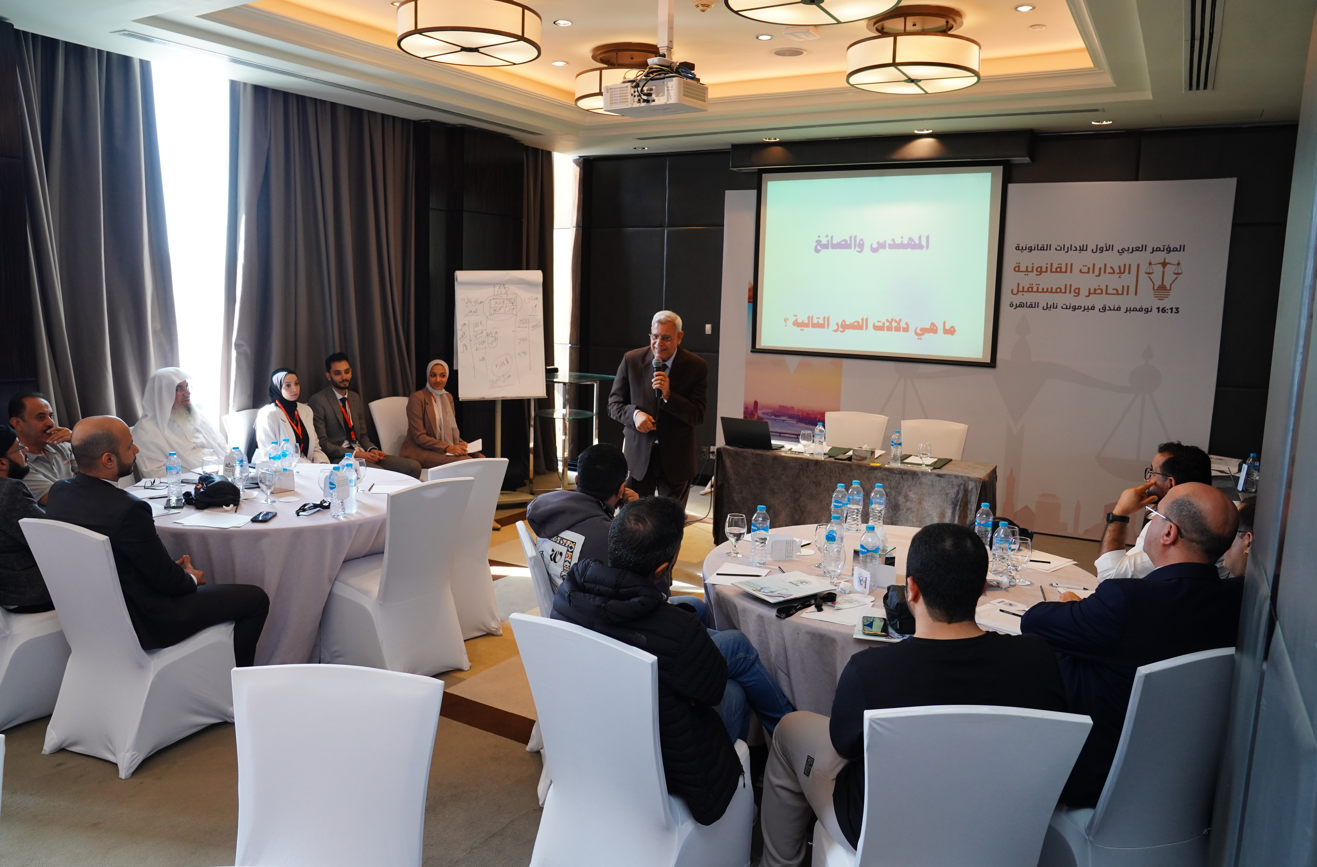
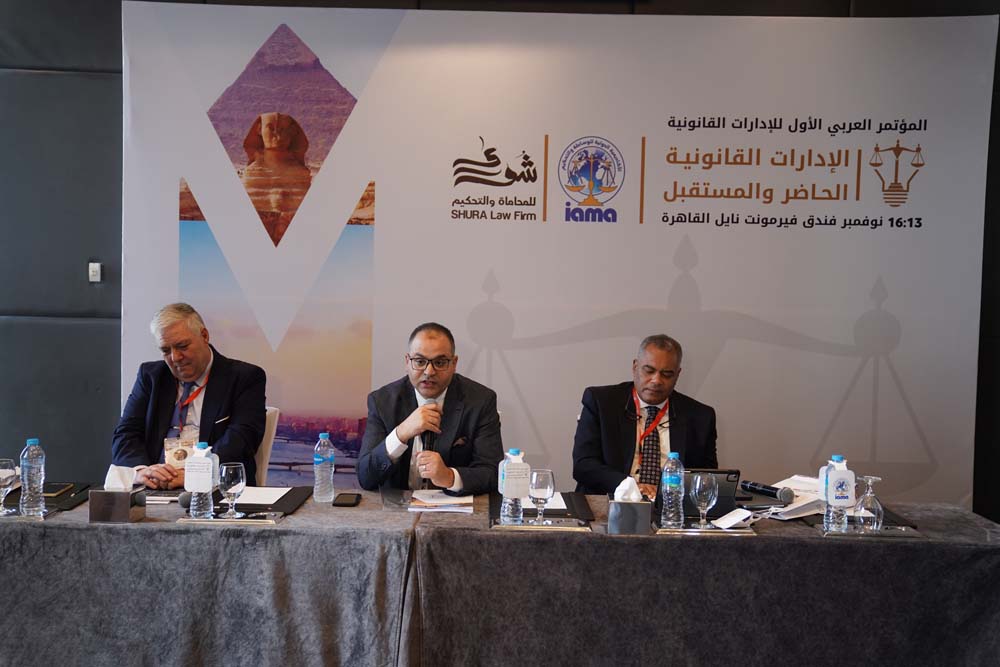
The conference was opened by Walid Othman, Secretary-General of the Conference, who delivered a welcoming address to the participants and attendees from across the Arab world.
In his speech, he highlighted the importance of the conference in light of the rapid developments taking place in the business environment and the growing strategic role of legal departments within organizations. He also emphasized the conference’s objectives in strengthening the role of legal departments and enhancing the capabilities and performance of legal department directors and professionals.
Mr. Othman also provided a brief overview of the key topics and themes to be addressed throughout the conference, as well as the accompanying sessions and specialized workshops, which focus on the practical challenges facing modern legal departments and explore leading practices, professional experiences, and effective approaches to enhancing their role within organizations.
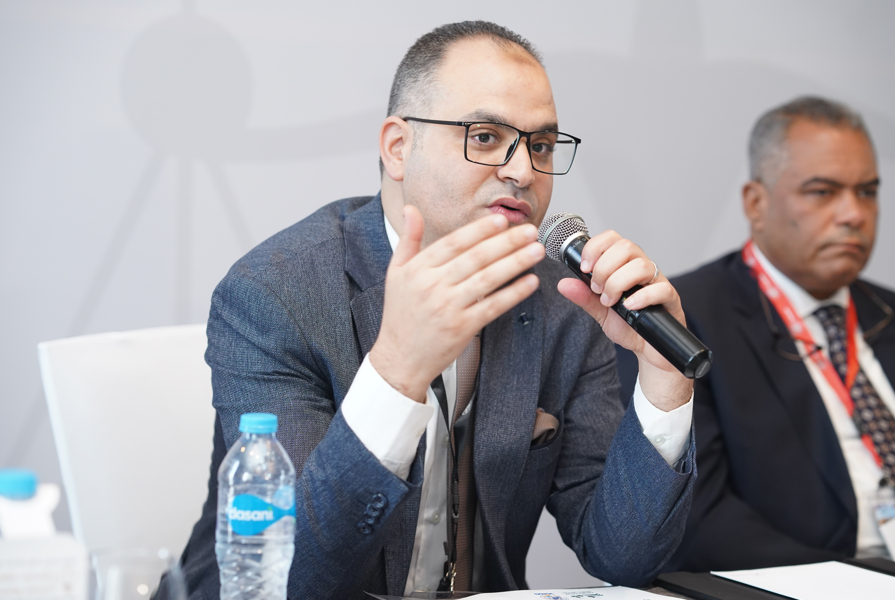
Legal Regulation of the Work of Legal Departments
To facilitate this transformation, the session highlighted the importance of ensuring the full independence of the legal department and adopting a proactive approach to legal procedures.
The session also explained that achieving a balanced contractual structure enhances the prospects of effective contract performance, thereby contributing to risk reduction and the achievement of desired outcomes.
It further emphasized the need to develop legal policies in line with the organization’s needs and strategies, enabling the legal department to become a true business enabler that supports various business functions in achieving tangible objectives.

Governance of Legal Departments

Workshop: “Negotiation Skills and Dispute Avoidance”
The workshop focused on the strategic role of the legal department in ensuring effective negotiation to facilitate the success of contracts and transactions, as well as on developing negotiation strategies that balance the interests of all parties while protecting the organization’s rights.
It emphasized the importance of closely monitoring contract performance to ensure that all parties comply with the agreed terms and to prevent any breaches that could lead to legal disputes.
The workshop also highlighted the importance of applying legal governance to ensure optimal contractual flexibility, noting that legal department professionals are best positioned to understand the organization’s objectives and anticipate the risks it may face.
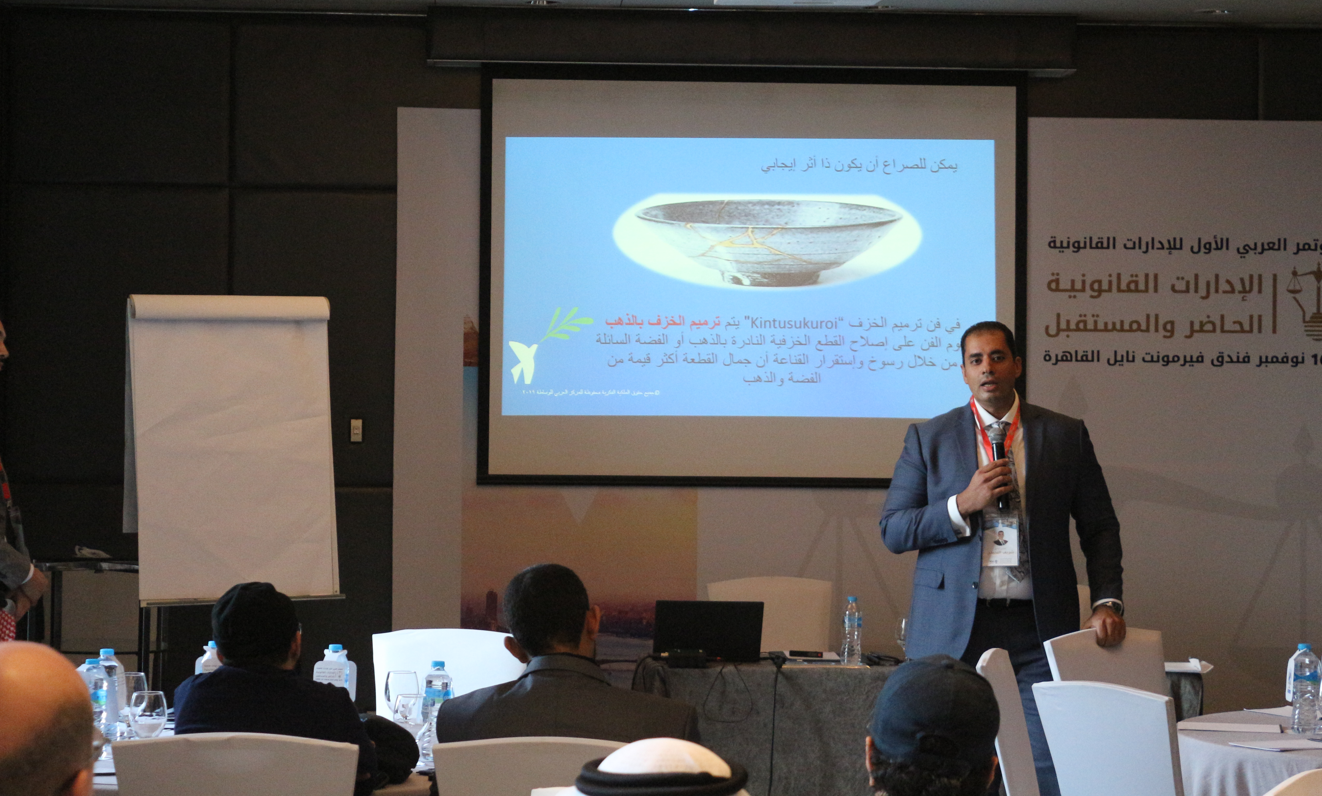
Workshop: “The Role of the Legal Department in Dispute Resolution (Negotiation, Mediation, and Arbitration)”
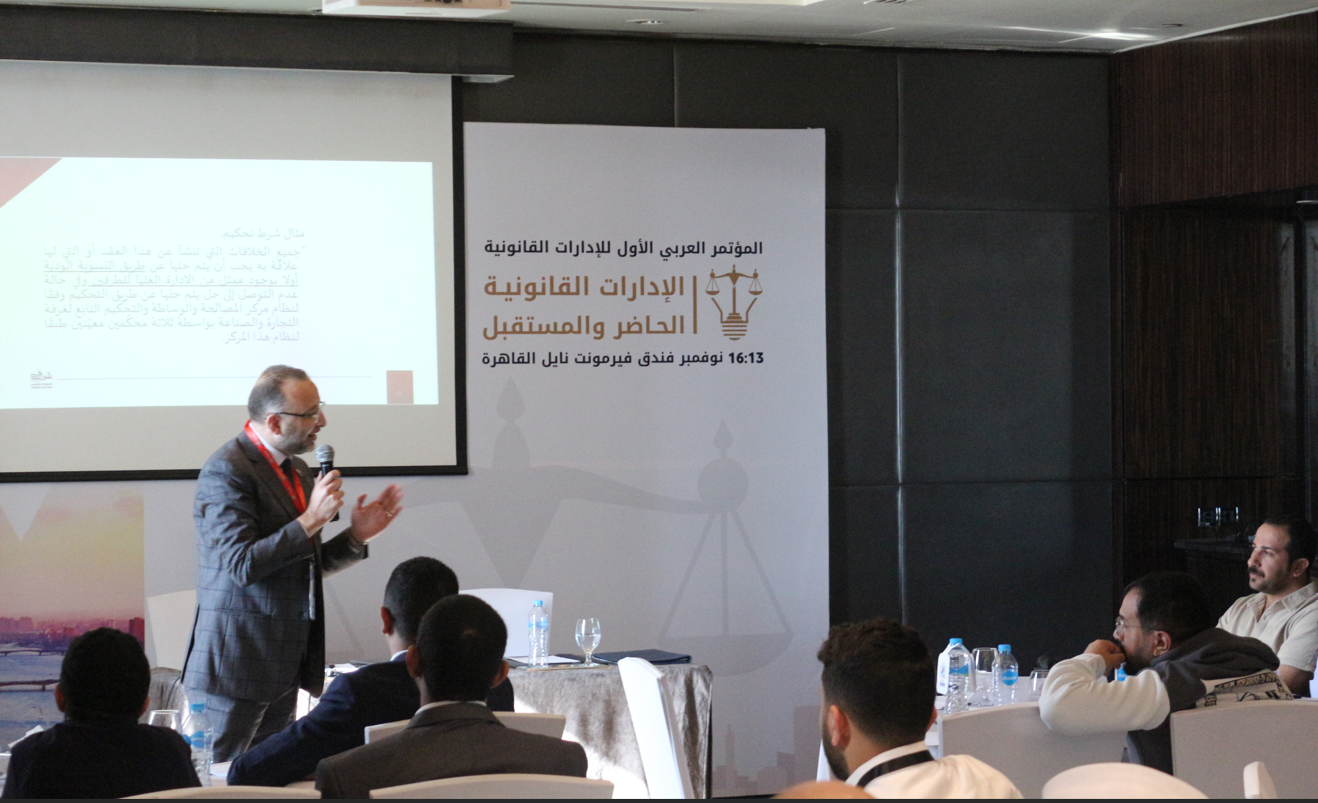
Workshop: “Successful Legal Department Strategies
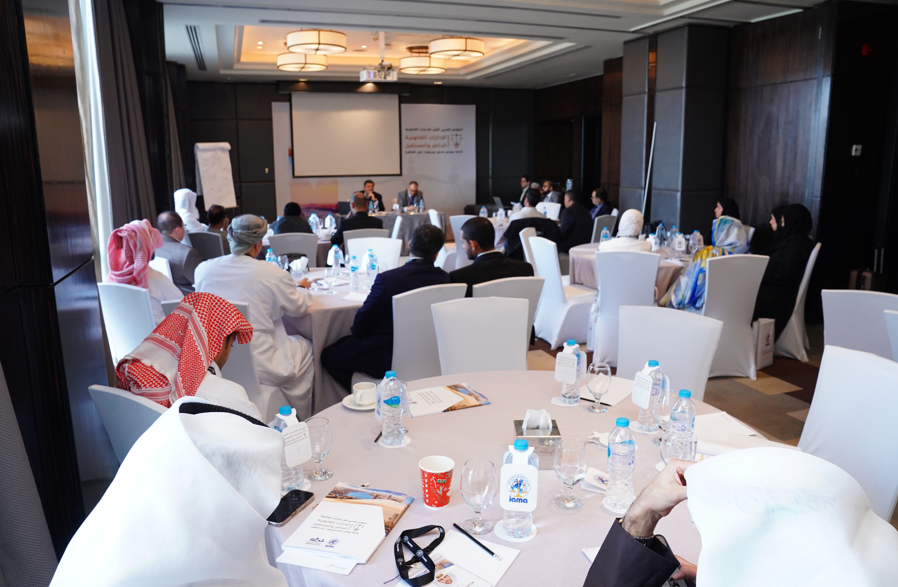
Workshop: “Skills in Drafting Laws, Regulations, and Policies”
ٌRecommendations
The conference concluded with a number of important recommendations reflecting the rapidly evolving role of legal departments and emphasizing the importance of transitioning from the traditional oversight role to a more strategic and effective role in supporting organizations and protecting their interests. The key recommendations were as follows:
- Highlighting the role of legal departments in protecting public and private funds through the effective application of laws and the enhancement of procedures that ensure integrity and transparency.
- Promoting strategic thinking and a proactive approach within legal departments to address challenges and legal matters efficiently and promptly, while supporting the achievement of institutional objectives.
- Investing in the qualification and professional development of legal department members by enhancing their legal, professional, and managerial skills, while providing a supportive work environment that safeguards their independence and impartiality.
- Strengthening partnerships between legal departments and various business sectors to reinforce the role of legal counsel as a strategic partner in supporting organizational growth and business development.
- Developing comprehensive professional codes of conduct for legal department personnel to ensure adherence to the highest standards of professionalism, integrity, and workplace ethics.
- Raising awareness of the legal department’s role in oversight, guidance, and continuous monitoring, ensuring ongoing compliance with applicable laws and regulations and reducing legal risks.
- Enhancing document governance within organizations and companies to ensure the effective and secure management of data and information, while improving the efficiency of document storage, record-keeping, and accessibility.
- Establishing a culture of compliance and governance across all departments within public and private organizations, strengthening institutional integration and aligning efforts in risk management and compliance.
- Ensuring accuracy and clarity when drafting dispute resolution clauses in contracts, thereby reducing the likelihood of disputes and clearly defining effective mechanisms and procedures for their resolution.
- Promoting awareness of mediation and negotiation as alternative means of dispute resolution, given their ability to provide faster, more flexible, and cost-effective solutions while preserving business and institutional relationships.
- Strengthening the principles of transparency and teamwork within legal departments to foster collaboration among team members, improve performance efficiency, and contribute to achieving the organization’s strategic objectives.
- Employing artificial intelligence technologies responsibly and effectively as a supporting tool for achieving strategic objectives and enhancing the efficiency of legal and administrative operations, while taking into account governance requirements and data protection.

Sponsors gallery
Entities gallery


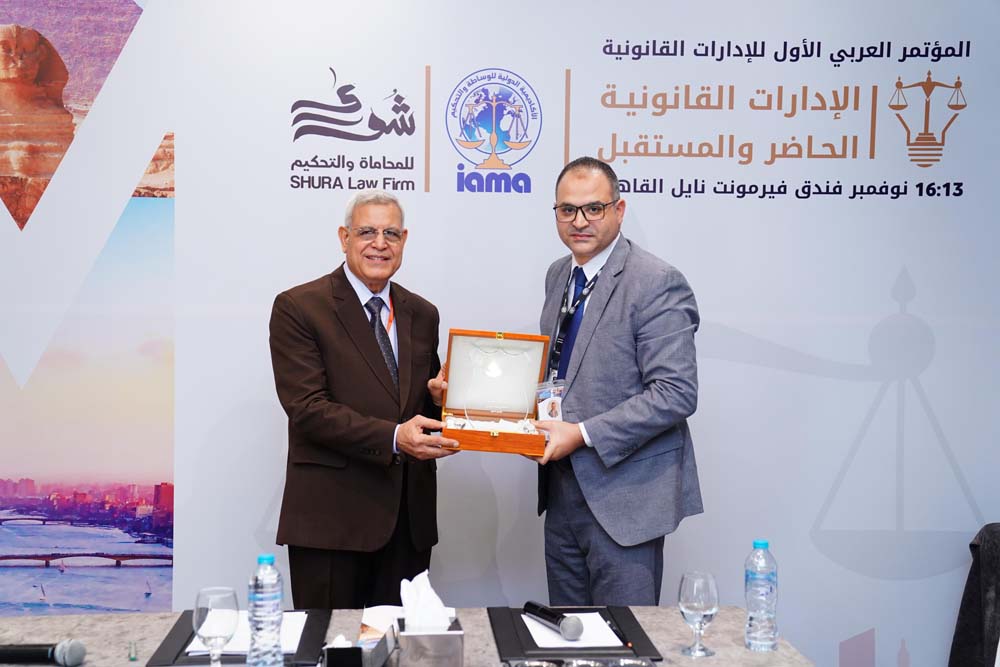
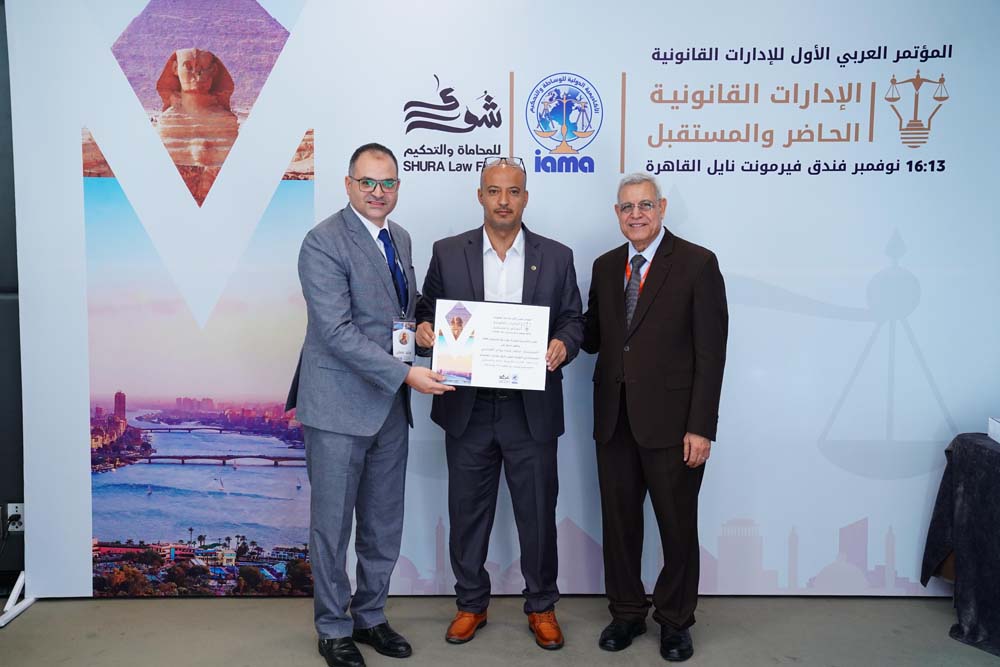
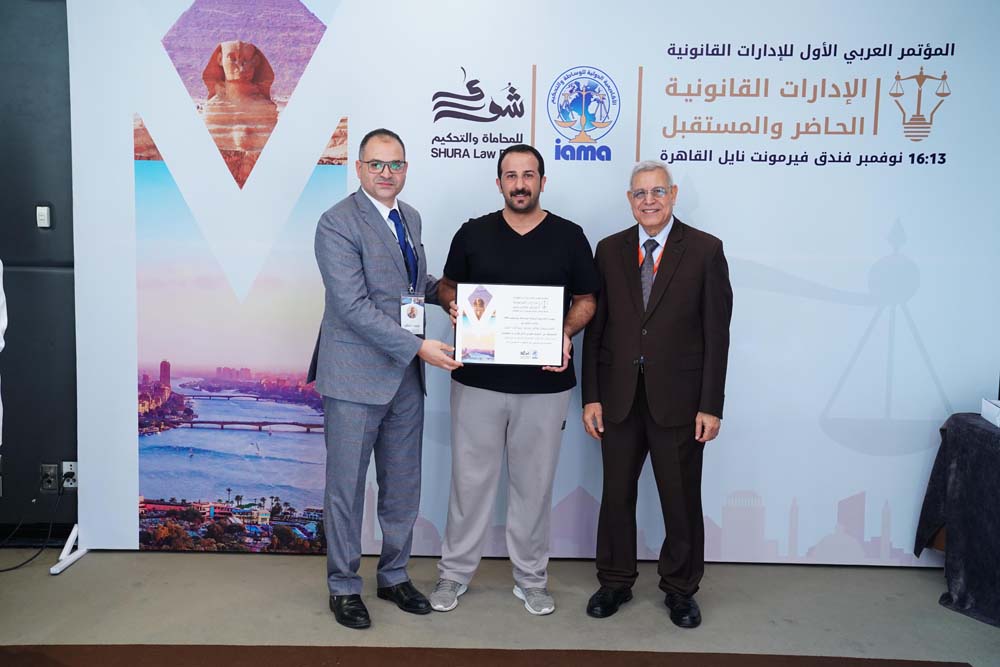
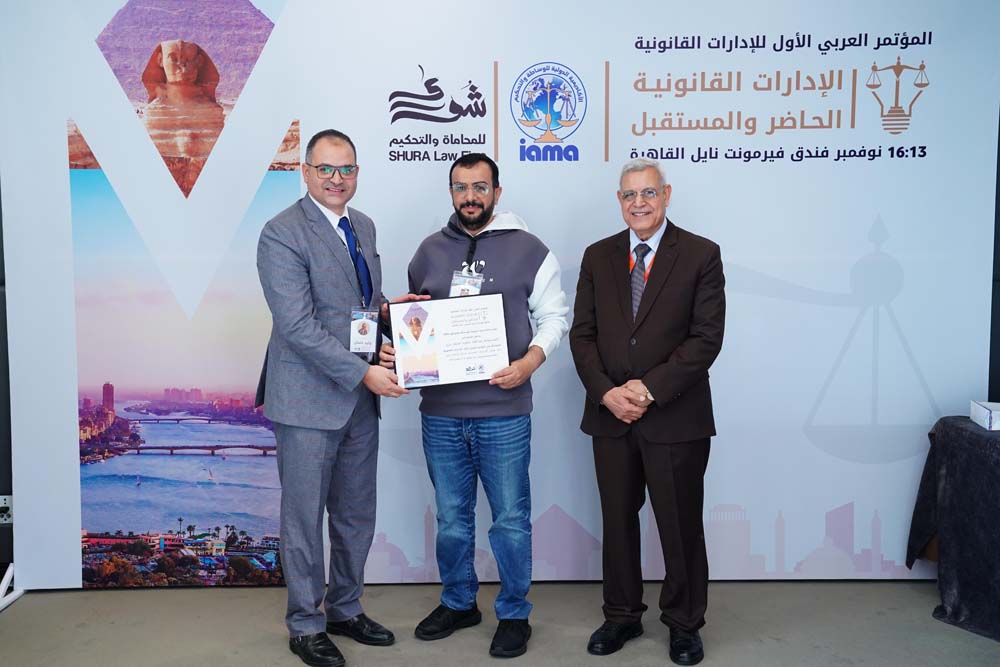
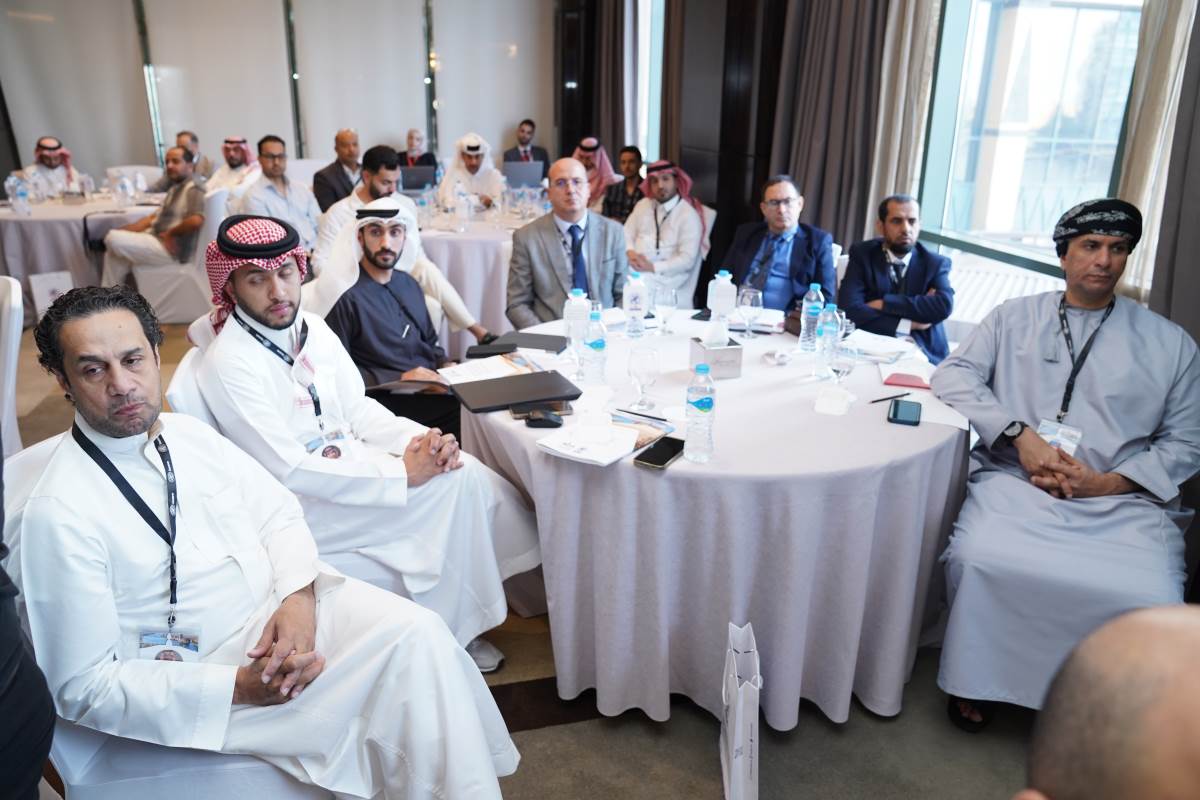
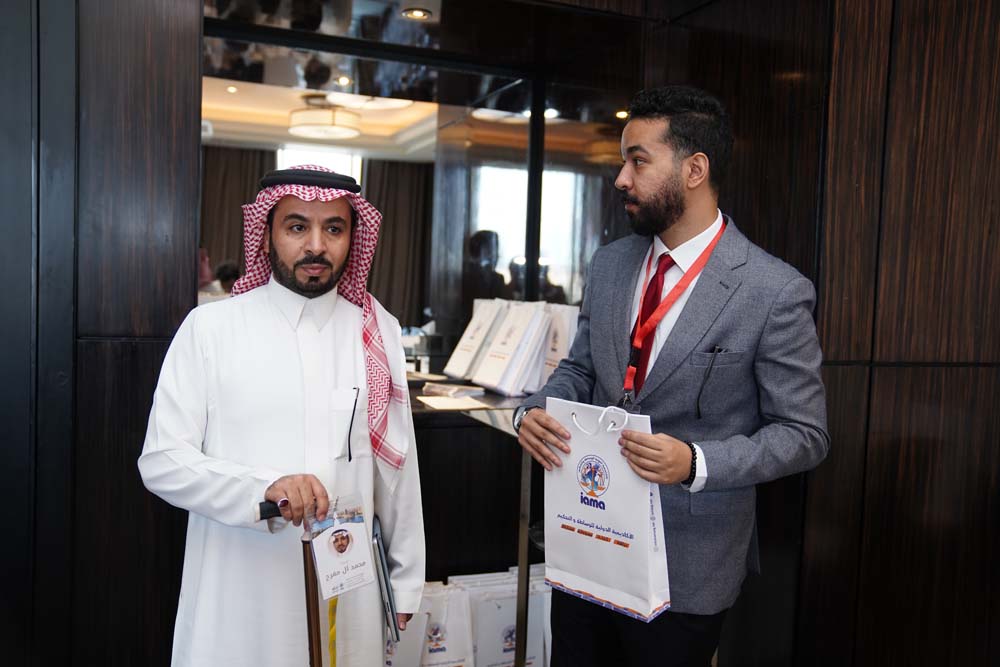
Honoring participants and attendees
Participants Opinions

سلوى العتيبي - السعودية
20 November, 2024
كان مؤتمر متميز بضيوفه وموضوعاته وتنظيمه وحضوره . تشرفت فيه بمعرفتكم جميعا
نوال النيل - السودان
20 November, 2024استفدنا من التجارب والمناقشات التي تمت والاوراق التي قدمت واتمنى ان يتكرر اللقاء ودمتم في حفظ الله ورعايته.
عبدالرحيم عفيفي - مصر
19 November, 2024
لقد كان المؤتمر مثمراً بعطائكم، وزُرع الخير في قلوبنا بفضل نقائكم. وخير ثماره، شرف التعارف و اللقاء، تمنياتنا بدوام النجاح و التوفيق للجميع و الي الملتقى
حمد الحوسني - الإمارات
19 November, 2024
ستفدنا من الجميع دون استثناء. فعلاً المؤتمر كان مفيد جداً ونتطلع لحضور المزيد من هذه المؤتمرات والفعاليات المثمرة.
سيف العامري - الإمارات
18 November, 2024
لقد كان هذا الحدث منصة فريدة جمعت بين خبراء القانون والممارسين من مختلف الدول العربية في هذا المجال الحيوي.
سعيد القحطاني - السعودية
18 November, 2024
لمسنا بفضل الله فعلا تحقيق الهدف من عقده وقد تم اليوم الاجتماع مع الإدارة المعنية بالجهة وتزويدهم بما تم الاستفادة منه في هذا المؤتمر المبارك